
Last updated on March 22, 2026 at 08:22 pm
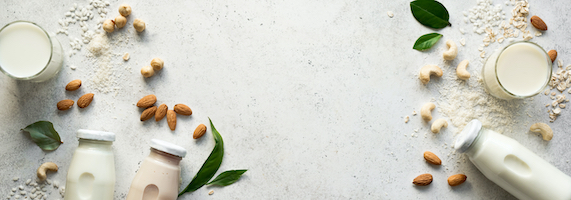
I make my own almond milk. I know that sounds like the kind of thing that requires more time and effort than it’s worth — but I promise you it doesn’t. A handful of soaked almonds, a blender, a nut milk bag, and about five minutes. The result tastes incomparably better than anything from a carton, contains no additives, no thickeners, no added sugar, and costs a fraction of the price. The leftover almond pulp goes into my Sunday baking.
I started making it because I wanted to know exactly what was in my food — and when I read the ingredient lists on most commercial plant milks, I wasn’t impressed. Many contain only a small percentage of the actual nut or grain, padded out with water, refined oils, sweeteners, and a list of stabilisers. That’s not what I’m looking for.
But I also live in the real world. I keep a carton of oat milk in the fridge for the kids and for cooking. And I think plant-based milks — chosen well — are a genuinely valuable part of a wholefood diet, particularly for anyone reducing their dairy intake.
This guide covers the 9 most widely available plant-based milks, what each one actually delivers nutritionally, and how to choose the right one for your needs. Plus — at the end — how to make your own almond milk at home if you want to try it.
What is plant-based milk?
Plant-based milk is made by blending a plant source — a nut, grain, legume, or seed — with water and straining out the solids. The result is a liquid that resembles cow’s milk in appearance and consistency, but varies significantly in nutritional composition depending on what it’s made from.
The main categories are:
- Nut milks: almond, cashew, walnut, hazelnut, macadamia
- Grain milks: oat, rice, spelt
- Legume milks: soy, pea, peanut
- Seed milks: hemp, flax, sunflower, sesame
- Pseudo-cereal milks: quinoa, amaranth, teff
Soy, oat, and almond remain the most widely consumed — though the market has expanded considerably and options like pea milk and potato milk are increasingly available.
How do plant milks compare to cow’s milk?
Cow’s milk has a well-established nutritional profile — a good balance of protein, fat, and carbohydrates, complete with all essential amino acids, and naturally rich in calcium, iodine, vitamin B12, riboflavin, and zinc. For many people it’s a perfectly good food — particularly if it comes from a quality source.
Plant milks vary enormously. Some come close to cow’s milk nutritionally (soy and pea are the nearest in protein); others are much lighter and more of a flavoured water than a nutritional substitute. The key variables are the source ingredient, how it’s processed, and whether it’s fortified.
From an environmental perspective, research consistently shows that plant milk production generates fewer greenhouse gases and requires less land than dairy farming. [1] Almond milk is the exception worth knowing about — almond cultivation is water-intensive, particularly in drought-prone California where most almonds are grown. If environmental impact matters to you, oat and soy milk have the lowest footprint overall.
My approach: read the ingredient list. If the named ingredient appears low on the list, or if the list is full of things you wouldn’t find in a kitchen, consider whether it’s really adding value to your diet — or whether making your own might be worth trying.
The 9 best plant-based milks — what you need to know
1. Almond milk — a 15-year staple in my kitchen
I have been making my own almond milk for 15 years. My husband loves it. My kids love it. And once you’ve made it properly at home, the commercial versions genuinely frustrate me — most supermarket almond milks contain only 4% or 5% almonds per litre, padded out with rice flour for thickness and a list of stabilisers and emulsifiers to give the impression of creaminess. That is not almond milk. That is almond-flavoured water with thickeners.
My homemade version contains 17% almonds per litre. The difference in flavour, creaminess, and nutritional value is not subtle — it’s dramatic. I’ve honestly thought about starting a plant milk business for the past five years. Maybe one day. For now, I make it at home and share the recipe below.
Nutritionally, almond milk is lower in calories than most plant milks, naturally rich in vitamin E, and with a light nutty flavour that works beautifully in chia puddings, smoothies, porridge, and baking. The limitation is protein — typically very low, even in homemade versions — so it works best as part of a diet where protein comes from other sources.
One personal update worth sharing: I’ve had to reduce my almond milk intake recently due to kidney stones, as almonds are relatively high in oxalates. I now make macadamia coconut milk for myself — blended macadamia nuts with a splash of coconut cream and filtered water — which is creamy, delicious, and low in oxalate. My husband, who has no such restriction, still gets his almond milk. The kitchen compromise works perfectly.
Environmental note: almond cultivation is water-intensive, particularly in drought-prone California. If this matters to you, oat or soy milk have a meaningfully lower environmental footprint.
2. Oat milk — the everyday workhorse
Oat milk has earned its popularity. It’s creamy, naturally sweet, froths well for coffee, and works seamlessly in cooking and baking. It’s also the most allergy-friendly option — suitable for people with nut allergies, soy sensitivities, and most intolerances.
Its standout nutritional feature is beta-glucan — a soluble fibre shown to help reduce LDL cholesterol, slow digestion, and stabilise blood glucose. Research replacing cow’s milk with oat milk found meaningful reductions in total and LDL cholesterol. [3]
The watch-out: oat milk is higher in carbohydrates than most other plant milks — around 30g per serving, more than double cow’s milk. Choose unsweetened versions and be mindful of this if you’re managing blood sugar carefully. Most good brands are gluten-free, but check the label if this matters to you.
3. Soy milk — the closest to cow’s milk nutritionally
Soy milk is the most studied and nutritionally complete plant milk available. It contains around 8g of protein per serving — comparable to cow’s milk — along with isoflavones that research suggests may support cardiovascular health, bone density, and hormonal balance, though the evidence remains somewhat mixed. [7]
The FDA recognises that 25g of soy protein daily, as part of a diet low in saturated fat, may reduce heart disease risk. [6] One serving of soy milk provides around 8g of that.
The flavour is distinctive — a mild, slightly bean-like taste — which some people love and others find takes getting used to. Vanilla-flavoured versions are more palatable if plain soy isn’t for you. If you want the closest nutritional substitute for cow’s milk, this is it.
4. Coconut milk (carton, not canned)
Worth distinguishing clearly: the coconut milk sold in cartons as a dairy alternative is much more diluted than the canned version used in cooking. The carton version is light, lower in calories, and has a gentle coconut flavour that works well in smoothies and lighter cooking.
Its saturated fat content is worth understanding. Coconut milk contains lauric acid — a saturated fat that, unlike most, appears to raise HDL (the helpful cholesterol) rather than LDL. [8] It also contains natural vitamin E, which supports skin health and immune function. Low in protein, but useful in the kitchen for its flavour and creaminess.
5. Cashew milk — the creamiest nut milk
Similar nutritional profile to almond milk but with a noticeably creamier texture and a slightly richer, more neutral flavour. Higher in vitamin E than almond milk. Works particularly well in savoury cooking, soups, and sauces where you want creaminess without a strong flavour. Easy to make at home — cashews don’t even need straining if blended well enough.
6. Hemp milk — the omega-3 milk
Hemp milk is made from hemp seeds and is the plant milk with the most impressive omega-3 fatty acid content — one serving can provide close to your daily omega-3 requirement, which makes it particularly useful for anyone eating little or no fish. Read more about plant-based omega-3 sources here.
It’s also a good source of magnesium and has a slightly earthy, nutty flavour. Lower in protein and carbohydrates than oat or soy milk. Less widely available than other varieties but worth seeking out, particularly if omega-3 is something you’re actively managing in your diet.
7. Pea milk — the high-protein option
Pea milk is made from yellow split peas and is one of the most nutritionally impressive plant milks on the market. It contains protein levels comparable to cow’s milk and soy milk — around 8g per serving — which makes it one of the best options for anyone using plant milk as a meaningful protein source. It has a neutral flavour, creamy consistency, and a lower environmental footprint than almond milk. Worth trying if protein is a priority for you.
8. Rice milk — the most allergy-friendly
Rice milk is naturally sweet and is the go-to option for people with multiple allergies — it’s free from nuts, soy, gluten (in most brands), and cow’s milk protein. The tradeoff is that it’s the lowest in protein of all plant milks and higher in carbohydrates and natural sugars, which can cause blood sugar to rise more quickly. Best used in moderation and in contexts where its natural sweetness is an asset — certain baked goods, for example. Look for fortified versions to ensure you’re getting calcium and B12.
9. Potato milk — the newcomer
Potato milk is one of the newest plant milks to reach mainstream shelves — often sold in powdered form to which you add water. Similar in nutritional composition to rice milk — higher in carbohydrates, low in protein, and low in naturally occurring vitamins. Often fortified. Useful as a travel option given the powdered format, but not my first choice for daily use. An interesting option to watch as the category develops.
Plant-based milk comparison at a glance (per 240ml / 1 cup serving, unsweetened)
| Milk type | Calories | Protein (g) | Fat (g) | Carbs (g) | Best for |
|---|---|---|---|---|---|
| Almond | 30–40 | 1 | 2.5 | 1–2 | Low calorie, vitamin E, chia puddings |
| Oat | 120 | 3 | 5 | 16 | Coffee, cooking, cholesterol support |
| Soy | 80–100 | 7–8 | 4 | 4 | Protein, closest to cow’s milk |
| Coconut (carton) | 45 | 0.5 | 4.5 | 1 | Light cooking, smoothies |
| Cashew | 25–50 | 1 | 2 | 1–2 | Creamy cooking, sauces |
| Hemp | 60 | 3 | 5 | 0 | Omega-3, magnesium |
| Pea | 70–80 | 8 | 4.5 | 0–1 | High protein, neutral flavour |
| Rice | 120 | 1 | 2.5 | 23 | Multiple allergies, baking |
| Potato | 90 | 1 | 3 | 16 | Travel, convenience |
Values are approximate and vary between brands. Always check the label of the specific product you’re buying.
How to choose the right plant milk for you
There is no single best plant milk — it depends on what you’re using it for and what nutritional priorities matter to you. Here’s a quick guide:
- For protein: soy or pea milk
- For omega-3: hemp milk
- For calorie management: almond or cashew milk
- For coffee and cooking: oat milk
- For multiple allergies: rice or oat milk
- For baking: oat or soy milk
- For chia pudding and smoothies: homemade almond milk (or macadamia coconut milk if you’re managing oxalate intake) — trust me on this one
Whatever you choose, always opt for unsweetened versions — the sweetened varieties can contain surprising amounts of added sugar. And look for brands fortified with calcium, vitamin D, and vitamin B12, particularly if you’re eating little or no dairy — these are the three nutrients most commonly lower in plant-based diets.
How to make your own almond milk (the proper way — 17% almonds)
This is the version I’ve been making for 15 years — and the one my family refuses to give up. The key difference from most recipes you’ll find online is the ratio. Commercial milks use 4–5% almonds. I use 17% — roughly 150g of almonds per litre of water. That’s what gives it the creaminess and flavour that makes people ask what brand it is.
Note: if you’re managing oxalate kidney stones like me, you’ll want to swap almonds for macadamia nuts or a macadamia-coconut combination, which are much lower in oxalate and just as delicious. The method is identical.
You need:
- 1 cup (150g) raw almonds
- 3–4 cups of filtered water (more water = thinner milk, less = creamier)
- A pinch of Celtic salt or sea salt
- Optional: a Medjool date or a splash of maple syrup for a hint of sweetness
- A blender and a nut milk bag or fine muslin cloth
How to make it:
- Soak the almonds in cold water overnight (at least 8 hours). This softens them and removes some of the enzyme inhibitors, making the milk easier to digest and smoother in texture.
- Drain and rinse the soaked almonds thoroughly.
- Blend with 3–4 cups of fresh filtered water for about 60 seconds until smooth and creamy.
- Pour through a nut milk bag or muslin cloth, squeezing to extract all the liquid.
- Add a pinch of salt — this lifts the flavour significantly. Add a date or maple syrup if you want a touch of sweetness.
- Store in a sealed glass jar in the fridge for up to 4 days. Shake well before each use as it will naturally separate.
The leftover almond pulp is not waste — dry it out in a low oven and use it as almond flour in cakes, muffins, or energy balls. Nothing gets thrown away.
The bottom line
Plant-based milks are a genuinely valuable part of a wholefood diet — but like most things, the quality varies enormously depending on what you choose and how you use them. The most important habits are reading labels, choosing unsweetened versions, and looking for fortification with calcium, D, and B12 if you’re relying on plant milk as a dairy substitute.
And if you have five minutes and a blender, making your own almond milk is one of the most satisfying small kitchen habits you can build. It costs less, tastes better, and contains exactly what you put in it — which is exactly how I like my food.
For more on building a wholefood kitchen from the ground up — with meal plans, recipes, and practical nutrition education — the Eat Healthier in 21 Days Challenge covers all of it at your own pace.
The information in this article is for general educational purposes. Nutritional values are approximate and vary between brands — always read the label of your specific product. If you have a milk allergy, soy allergy, or nut allergy, please check ingredients carefully before consuming any plant-based milk.

Leave a Reply